What to Expect When Planning a Non-Traditional Wedding
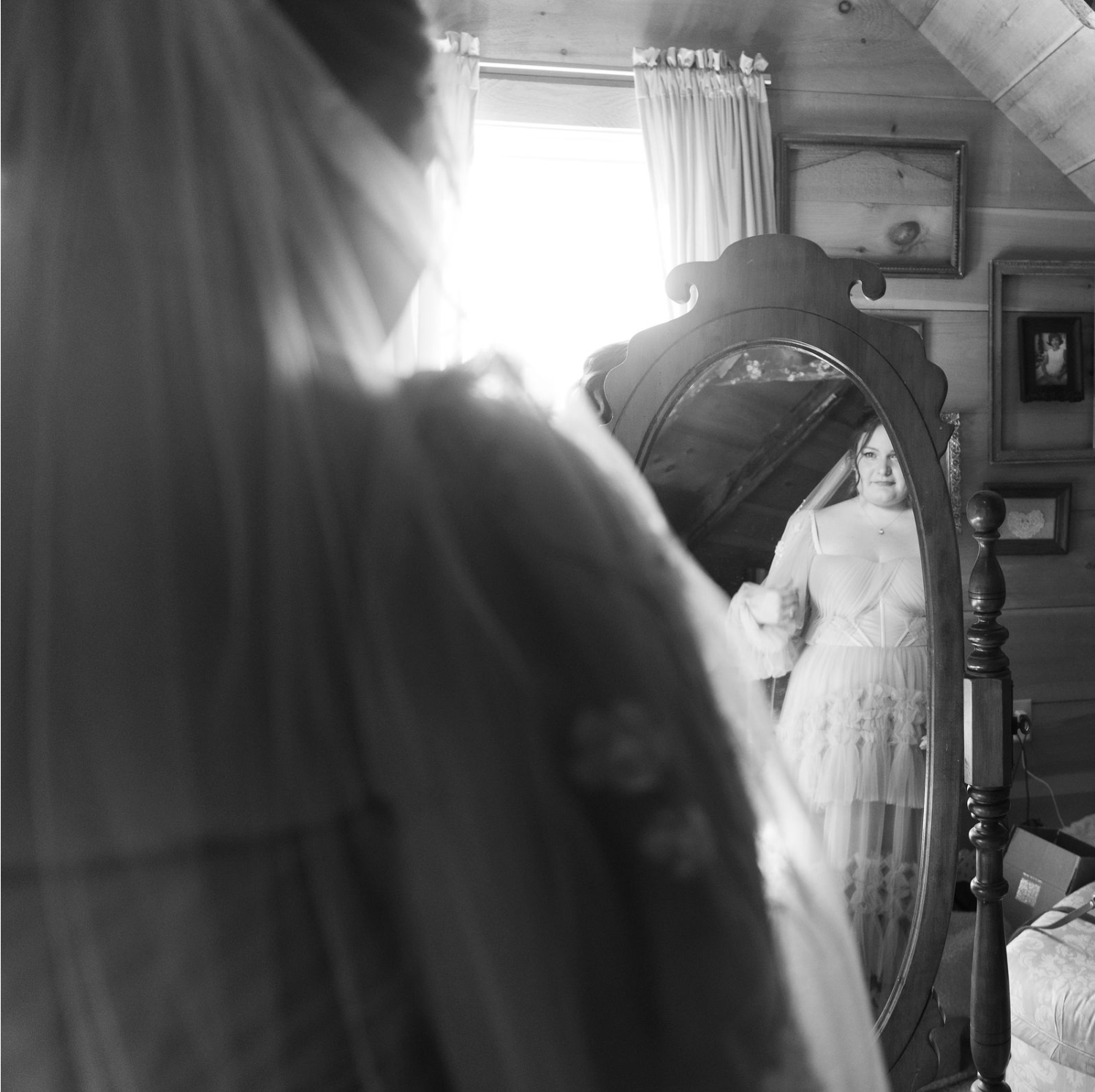
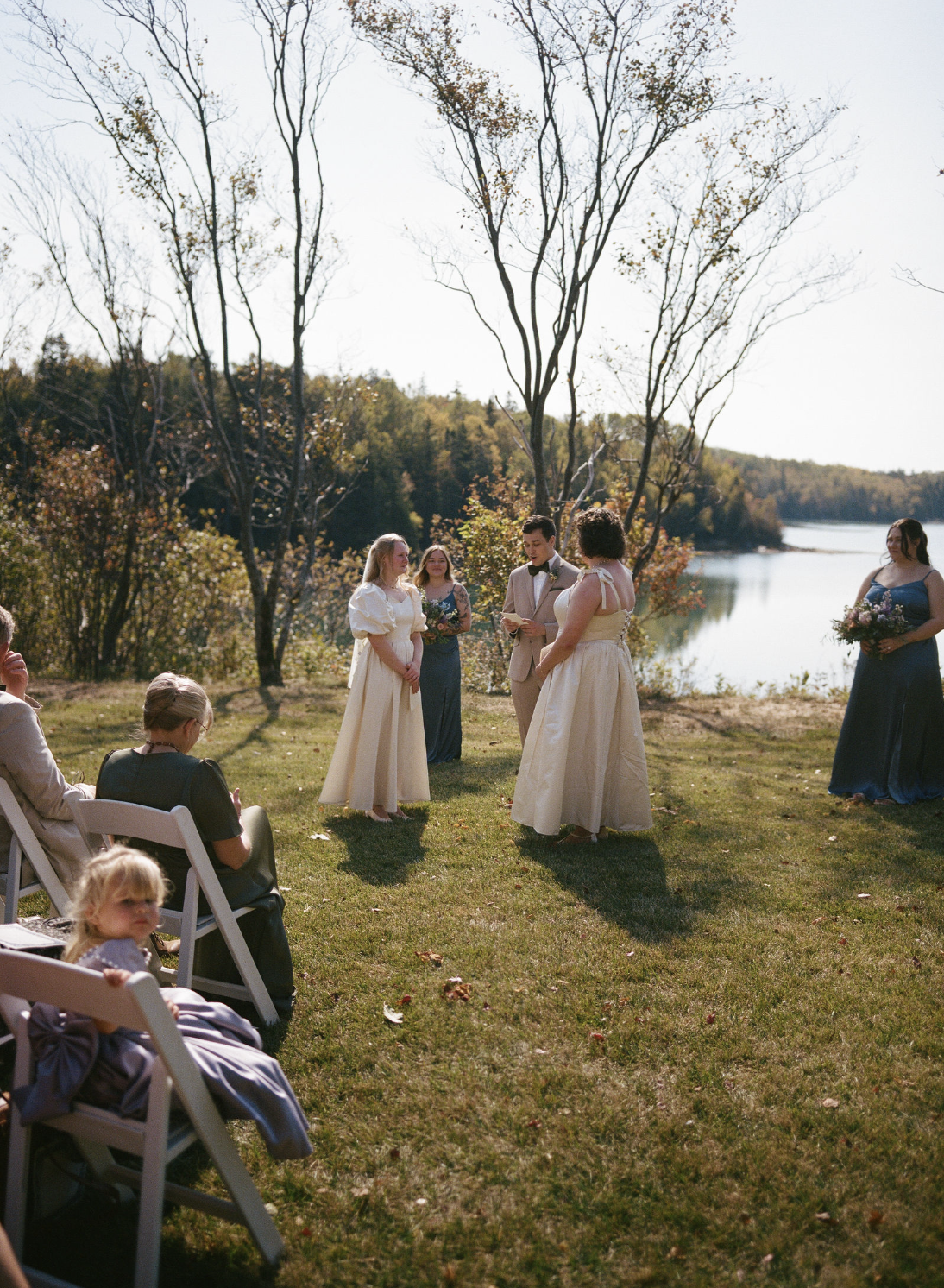
If you’re planning a non-traditional wedding, you’ve probably already realized there’s no template or guidebook to follow. You may be navigating expectations from those in your life about what a wedding should be. Questions from parents, friends, aunts, siblings about bridesmaids, speeches, dances, and more. I remember when Matt and I were planning our wedding, we were constantly reminding family that we were stripping back all of those expectations of what a wedding looks like.
Truly, a wedding can be anything you want it to be.
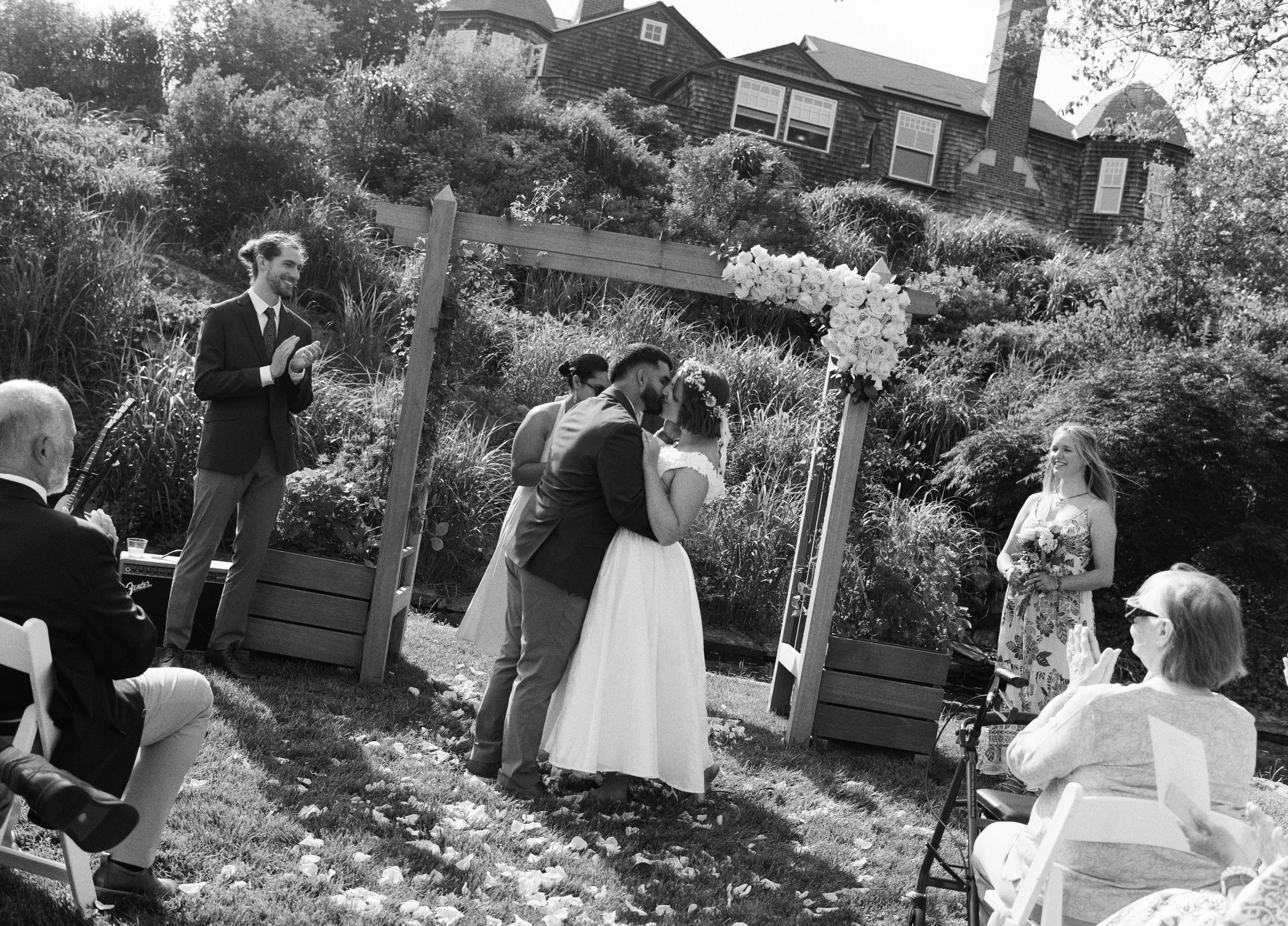
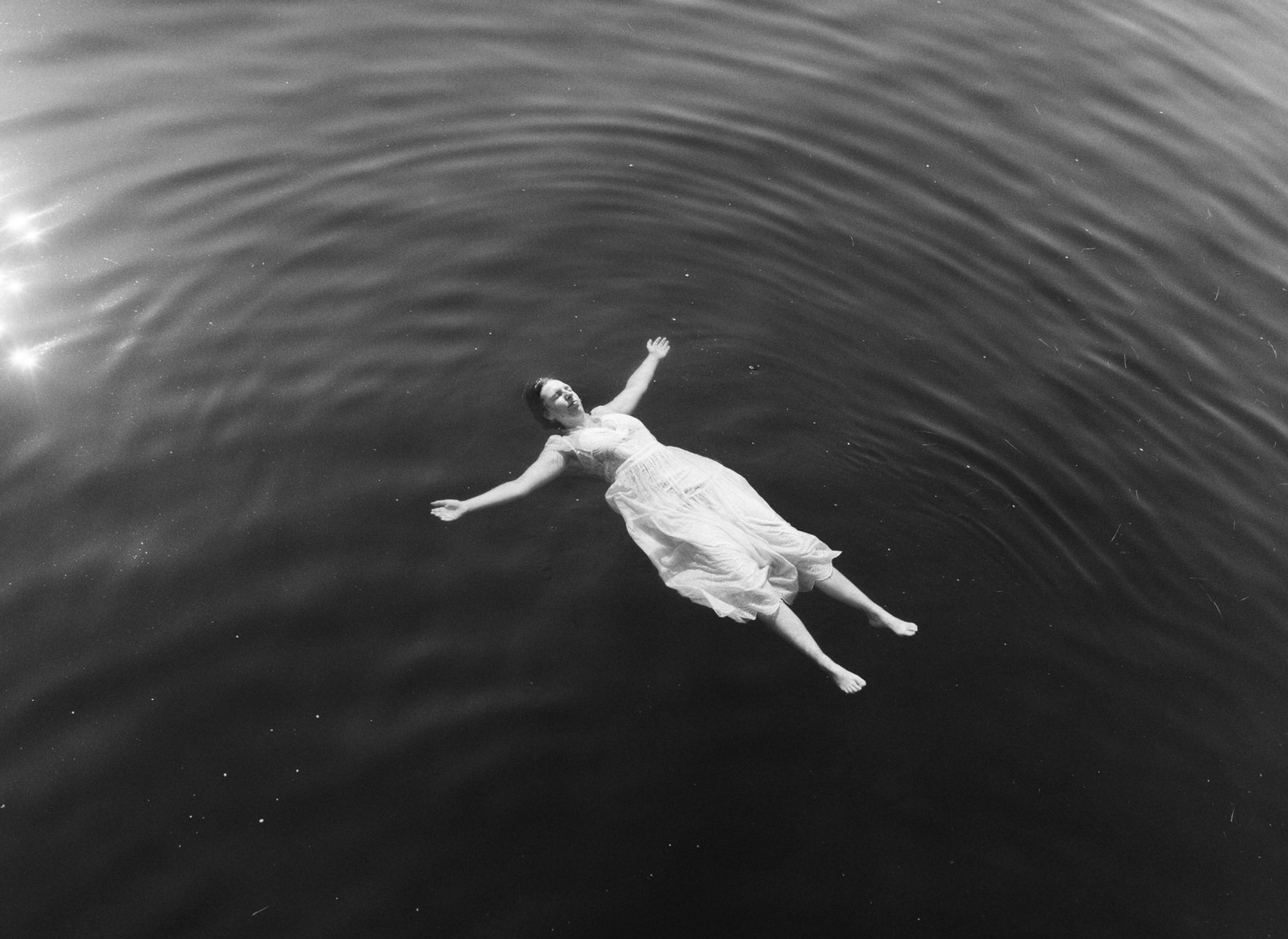
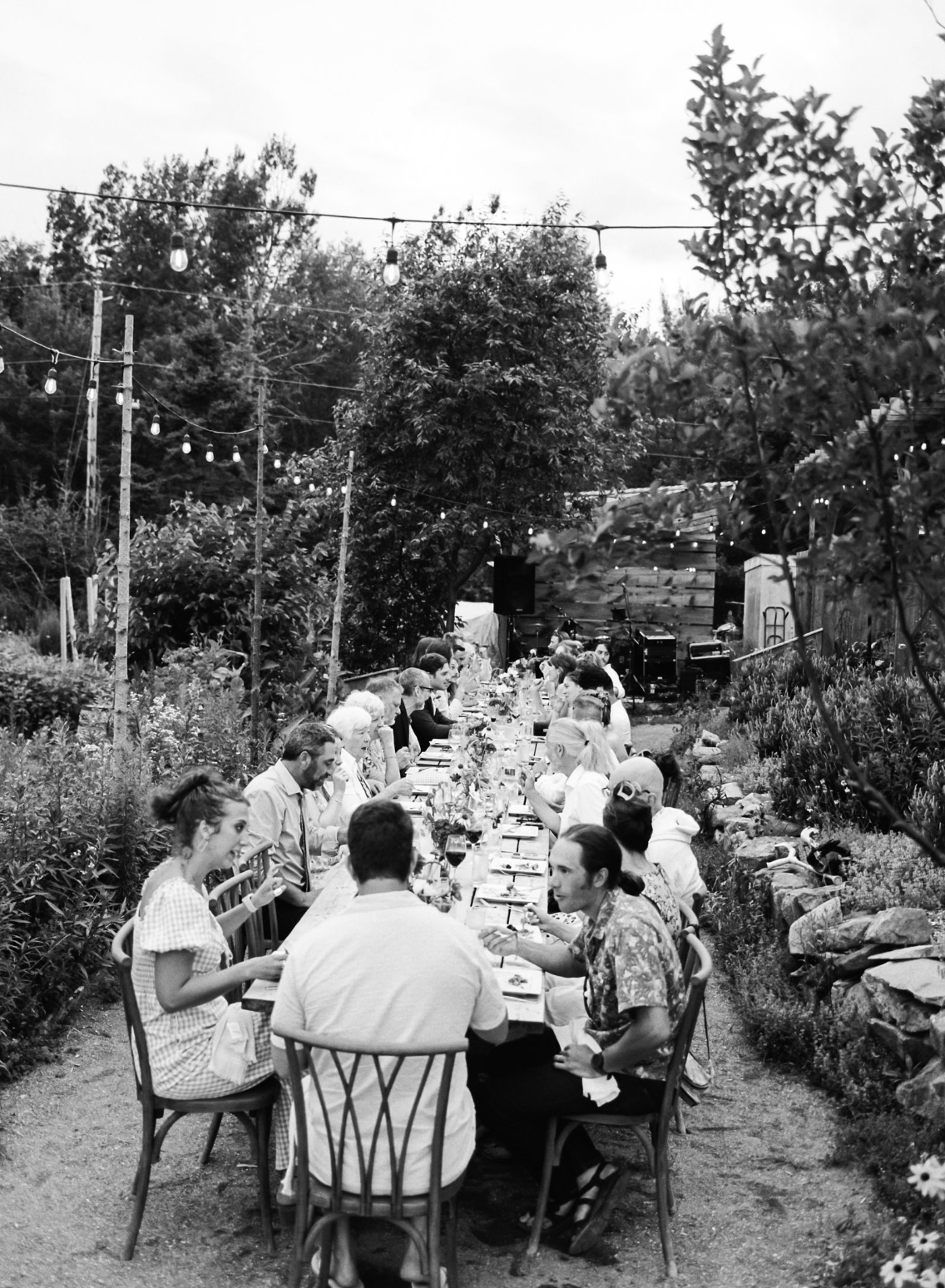
As a documentary wedding photographer, I’m drawn to couples who are building something that feels more like a gathering than a production. A backyard ceremony. A dinner party at a museum. A ceremony in the woods followed by swimming in the ocean. A Friday brunch wedding with cake and coffee. Something that feels honest and true to them.
So often I am on client calls with couples who just want to enjoy their day, who don’t want it to feel staged or like a photoshoot. Simply, they want to be present. And maybe this is a bit of a hot take, but I feel like that’s not necessarily the priority or norm in wedding planning or current wedding culture. So if you’re feeling yourself in this place of wanting something authentic to you, hopefully this helps in your planning.
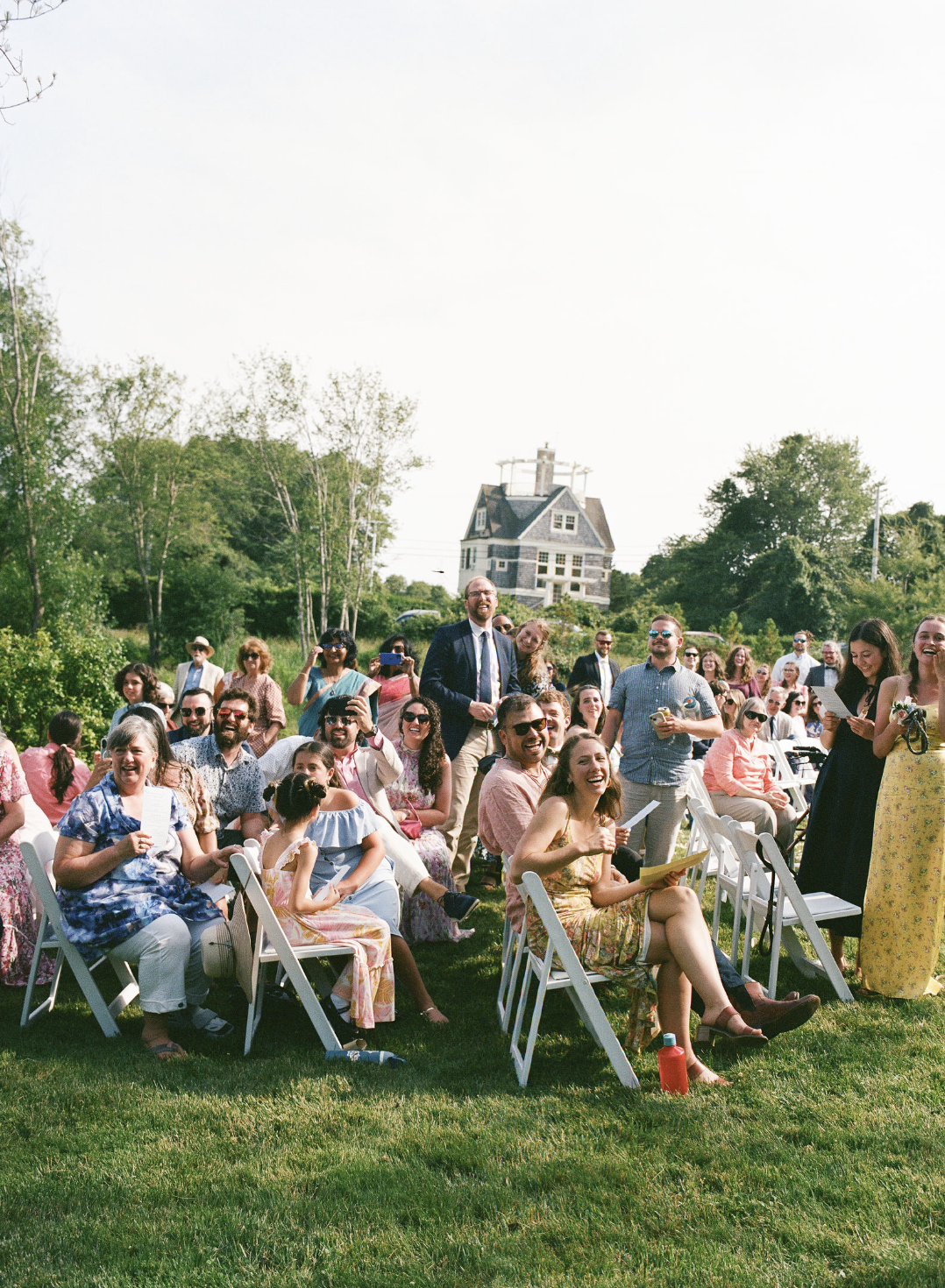
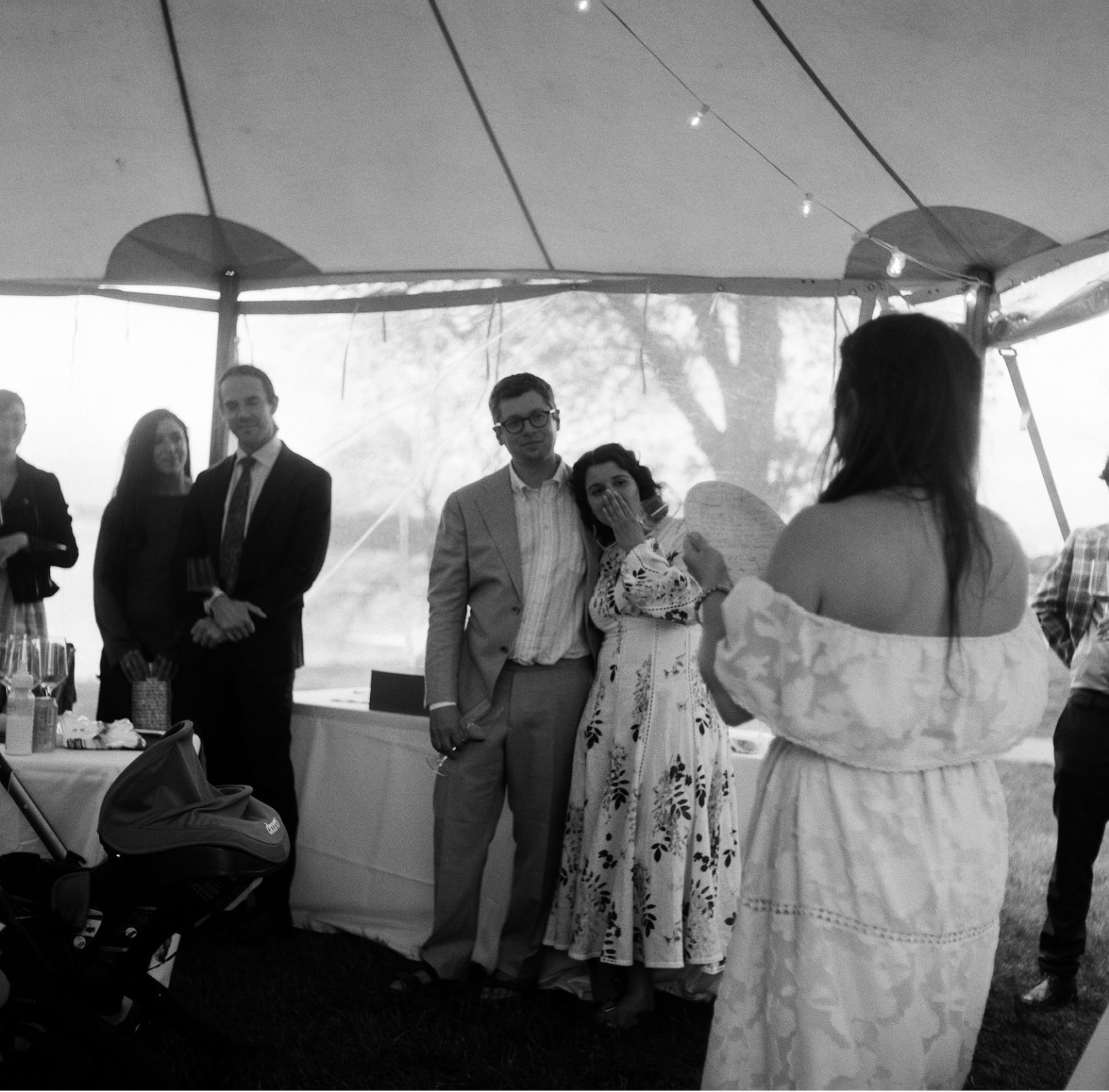
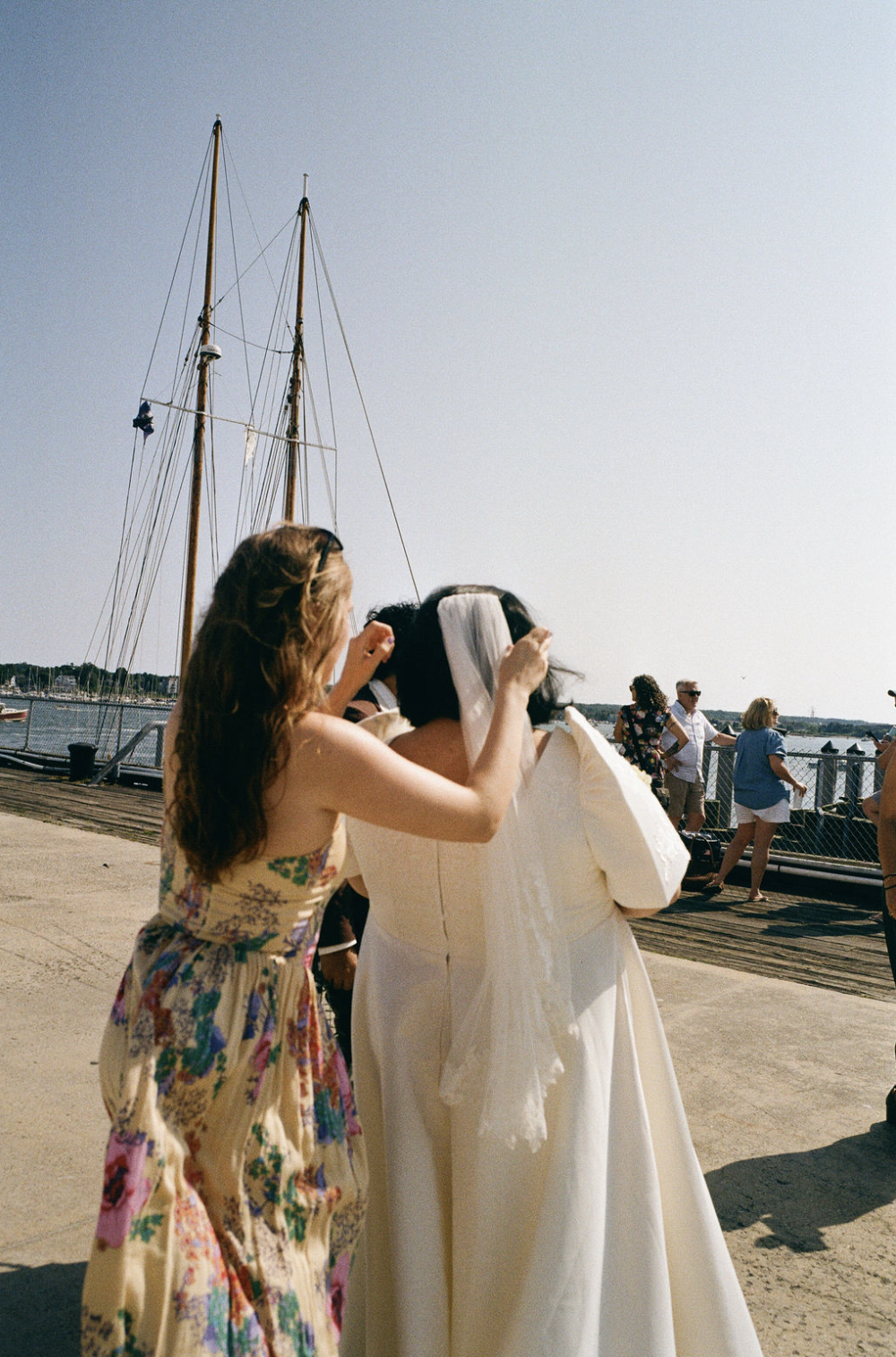
You’ll have to make more decisions
When you start to peel back the structure of a ‘typical’ or ‘traditional’ wedding you’ll find planning requires more decision-making if you want to go off script. It’s a tradeoff: you get more freedom but find yourself with a blank canvas. And this can be a really awesome thing for creative souls who know what values and ideas they want to bring to their day. But even as a creative myself, at times I found this a bit overwhelming.
The first question to ask yourself is: “what values are you hoping to integrate into your wedding day?”
Ultimately, this sets the stage for what your wedding feels like for you and your guests. And these values can be as simple of complex as you’d like. It could be related to community, honoring ancestors, celebrating love & friendship, sharing a place with the important people in your lives, etc., etc.
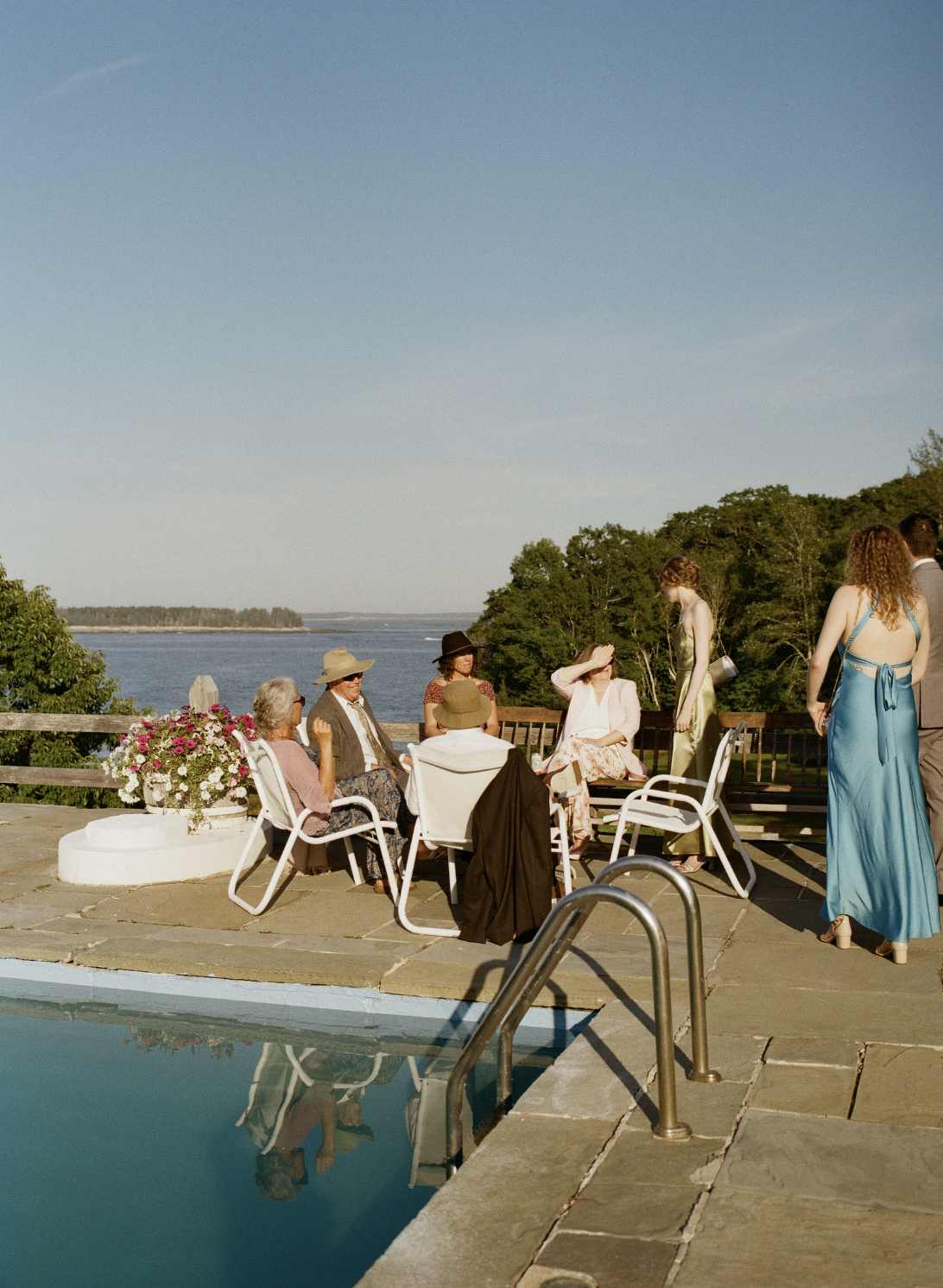
This can be really helpful in guiding you through some of the decisions you will inadvertently have to make. Once you’ve talked a bit about your values and what you want from your day big-picture, here are a few additional tips:
Brainstorm what traditions, special moments, and activities you want for your wedding. Will there be bridal parties? Speeches? Dancing? Games?
Prioritize those items, in other words: consider what are some of the most valued ideas you really want to have at your wedding (this will help with allocating money for your budget).
Get creative with thinking about locations & activities. I’ve said this before, but a wedding can truly be anything you want it to be. This means that your venue may be unexpected. I highly recommend reaching out to places that may not even be advertised as wedding venues if you feel it aligns with your vision and values!
Talk to each other about what you can realistically take on in planning. Truth is, I kinda hated the build-up to our wedding. We overcommitted to a lot of diy, and while I loved the result it was A LOT. If a planner or coordinator is in the budget, consider finding someone that aligns with your vision. And again, go back to your priorities for the wedding and focus on what is actually doable in your timeframe. Just because a wedding is non-traditional, it doesn’t need to involve overly complicated planning if that’s not your thing.
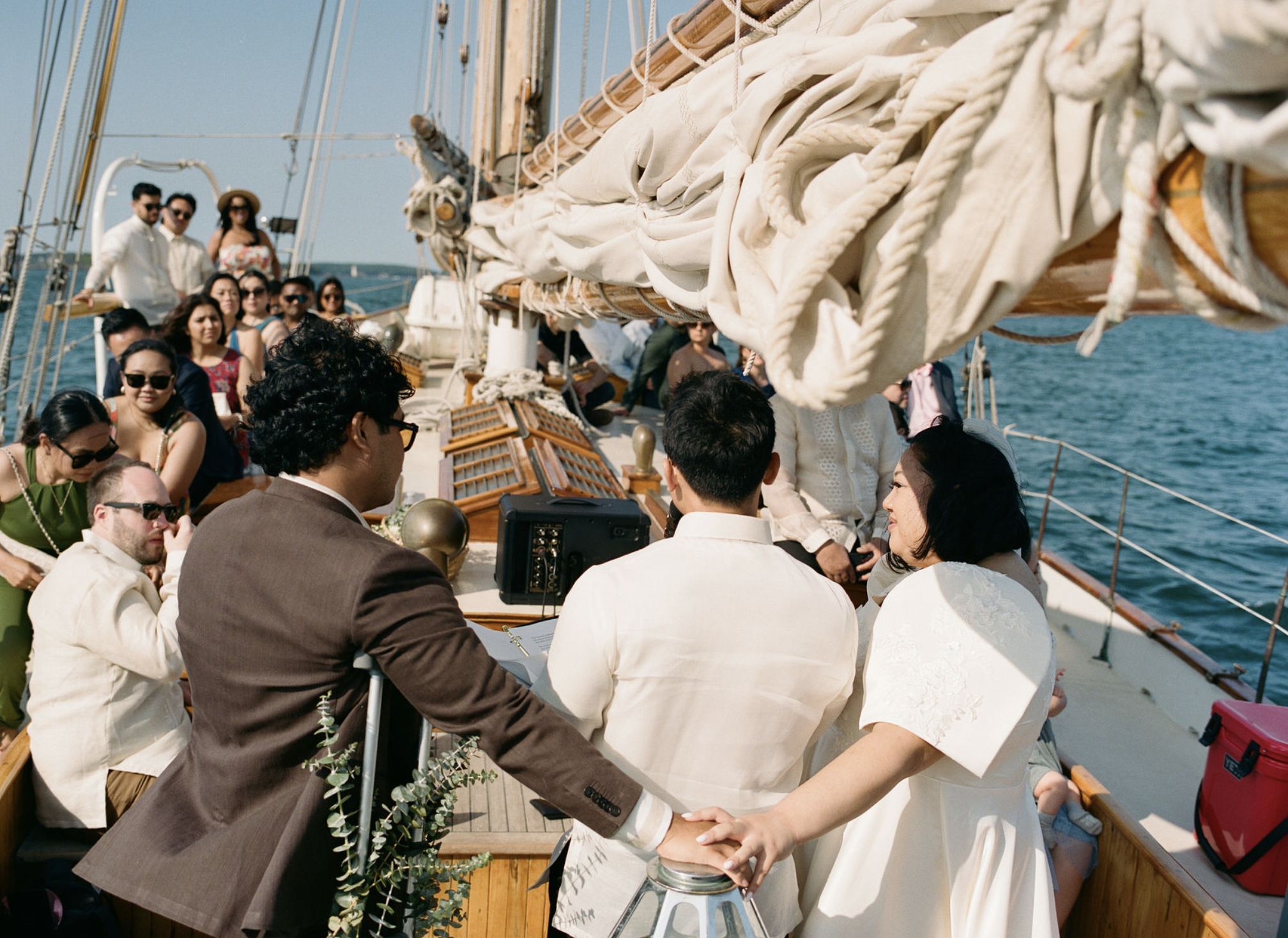
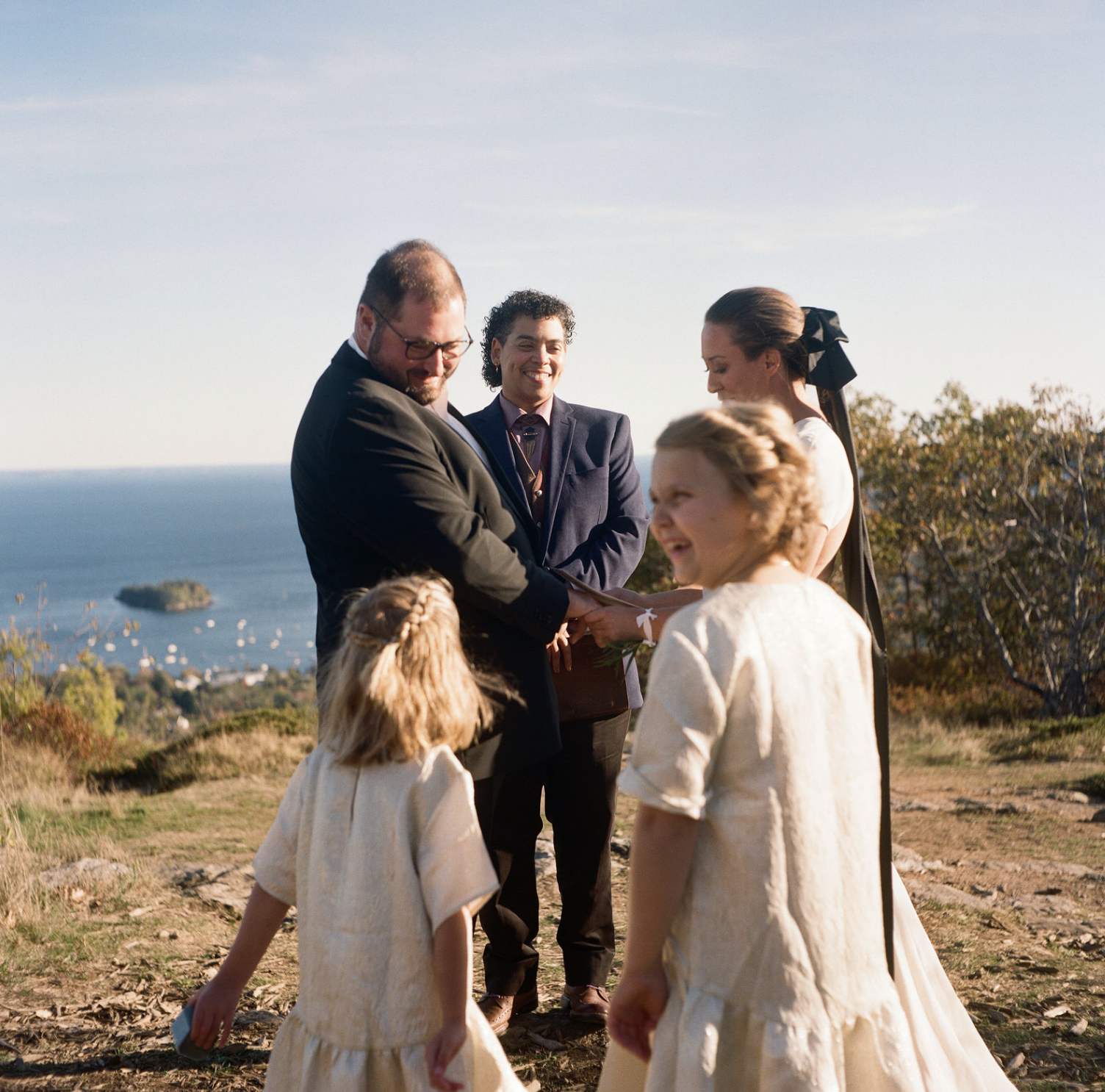
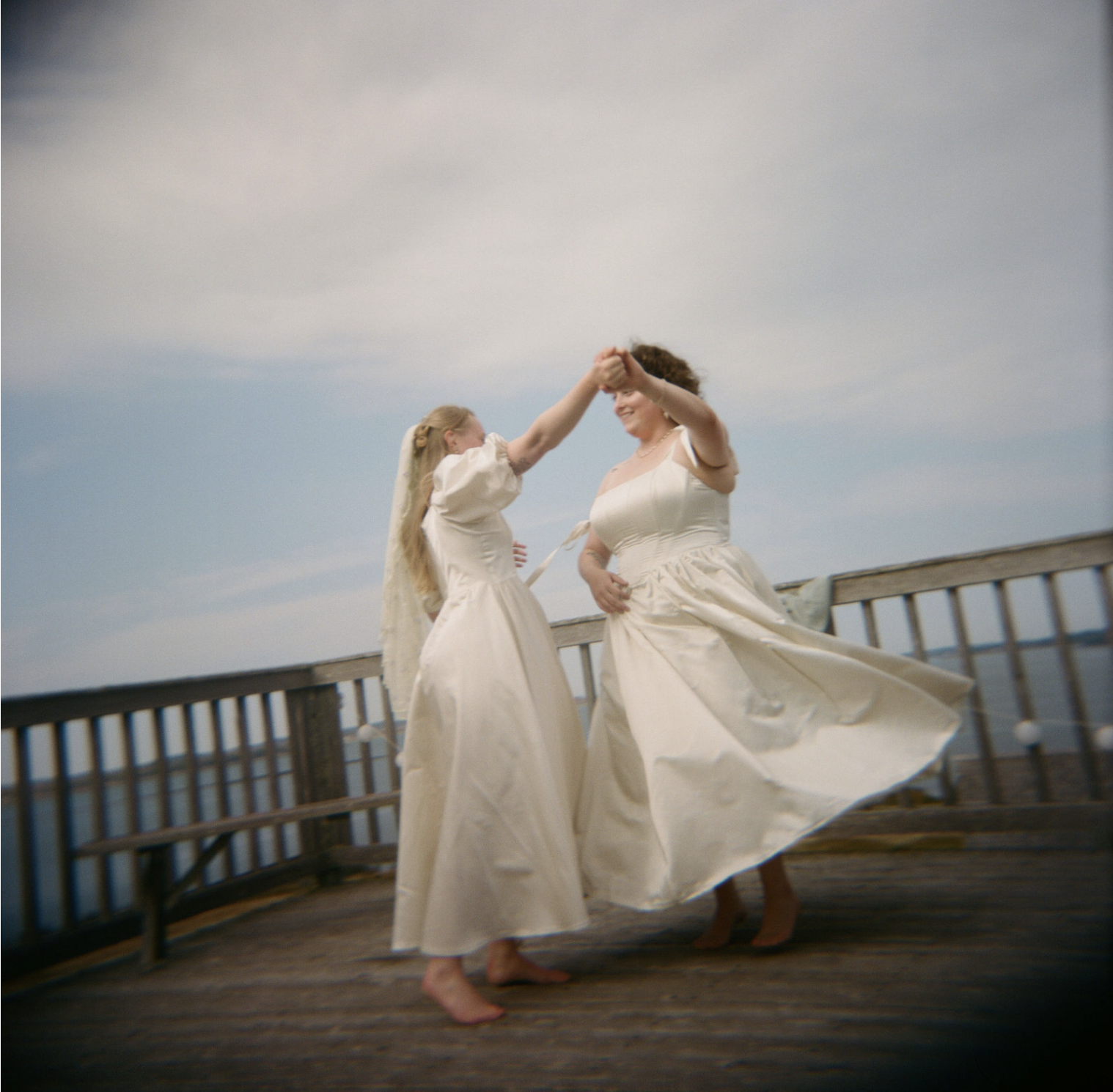
You’ll likely get a lot of questions or assumptions
This one honestly might be the hardest! We did not realize that our families had all of the assumptions and expectations that they had until we really started describing our plans. Shock and surprise related to not having wedding parties or a dance floor, forgoing alcohol, and limiting speeches. But these things just didn’t resonate with us, and so it made sense to instead focus on playing games and hanging out at the beach.
While we did an FAQ on our wedding page, we found that most people did not read it (I still think it’s great to have for the handful of guests that do). I recommend chatting with anyone who you feel may create tension or chaos, or just needs a little reassurance that you have a plan and a vision for the wedding. We ended up having a lot of one-on-one conversations with guests about what to expect. This really helped peel back any assumptions they may have had.
Unfortunately, so many weddings follow a typical rulebook and timeline, that when you decide to go off-script (even just a little) it can be hard for people to adjust their expectations. It also means that it can be hard to do something outside of the norm when so much of the wedding industry has just defaulted to a certain scripted performance.
My biggest advice here: find vendors that 1. align with your vision and values 2. you trust and 3. will go to bat for you.
The day may feel slower
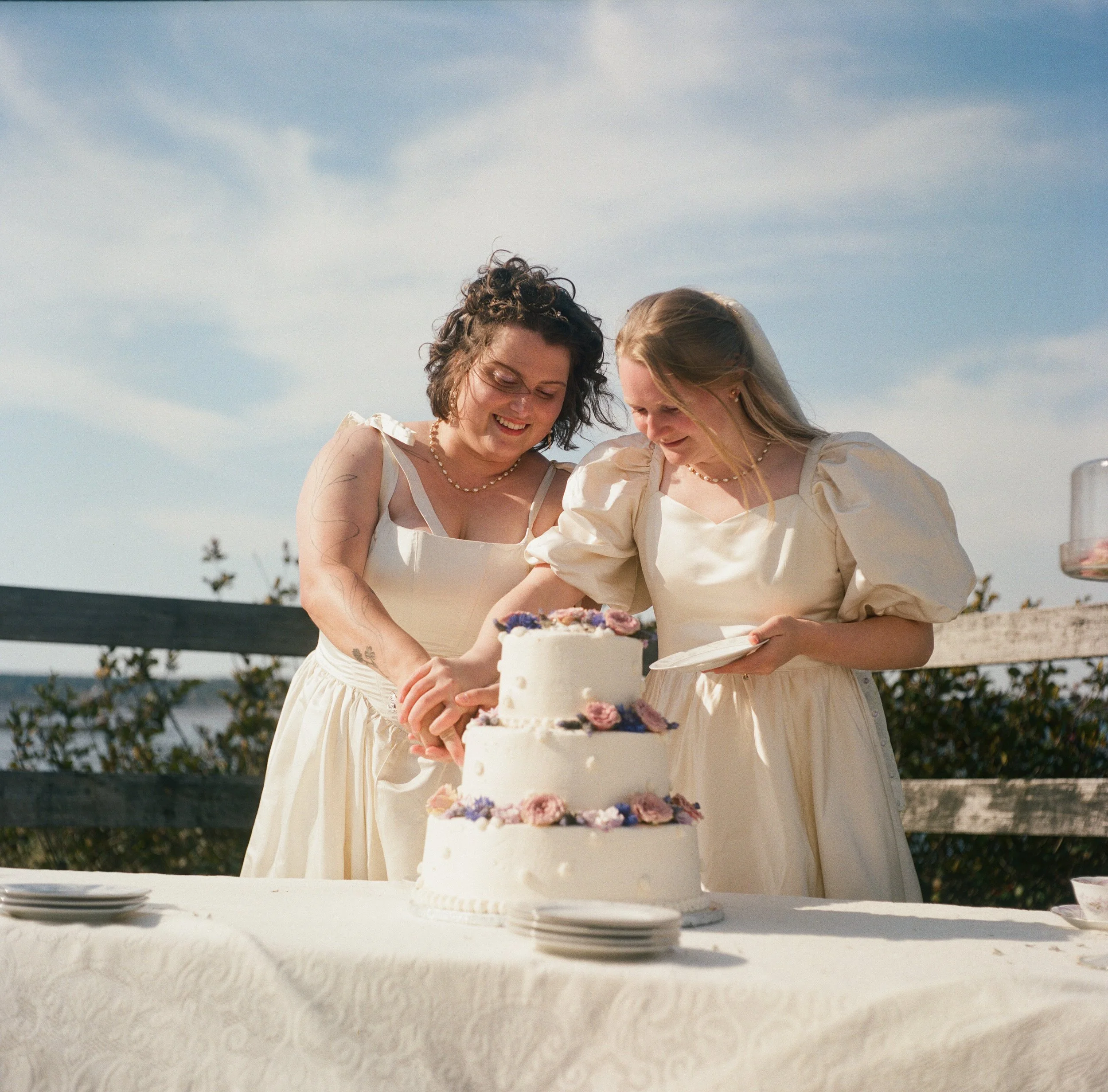
With a non-traditional wedding, the fast-paced timeline usually does not apply. And honestly, I LOVE that. It means there is likely more space and ease in your wedding day for you just to enjoy and be present. But I also acknowledge it could feel like you have large stretches of open time you may have the tendency to want to fill.
I would challenge you to go back to your values. If you are hoping for connection and presence, lean into those slower moments. Linger on dinner and allow space for open conversation and casual games and spontaneity. With more structure, those things may otherwise be a challenge.
But, if you wanting a few ideas to create opportunities for connection that feel a bit more tangible, here’s a few:
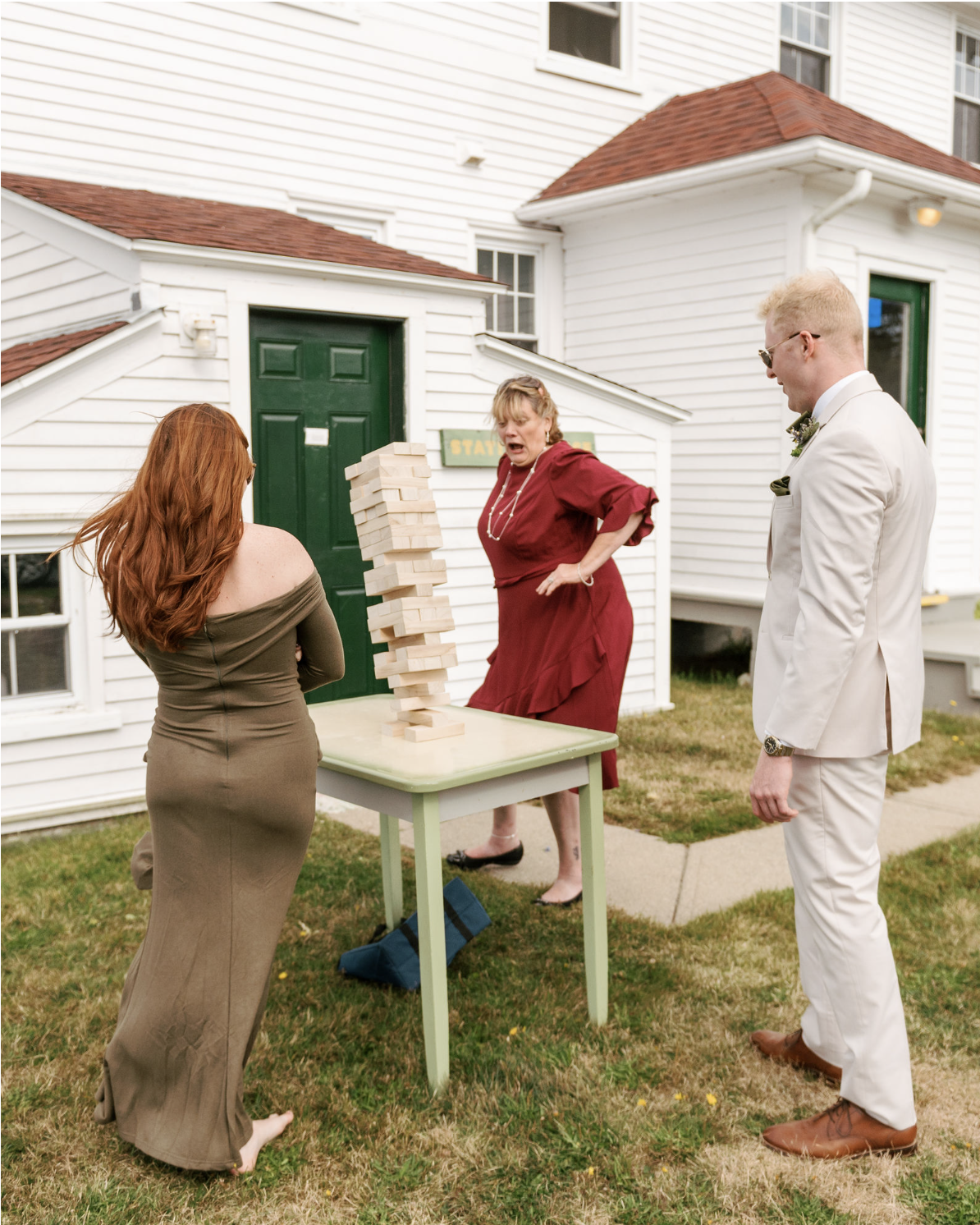
Leave out card/boardgames and lawn games for people to casually play and connect.
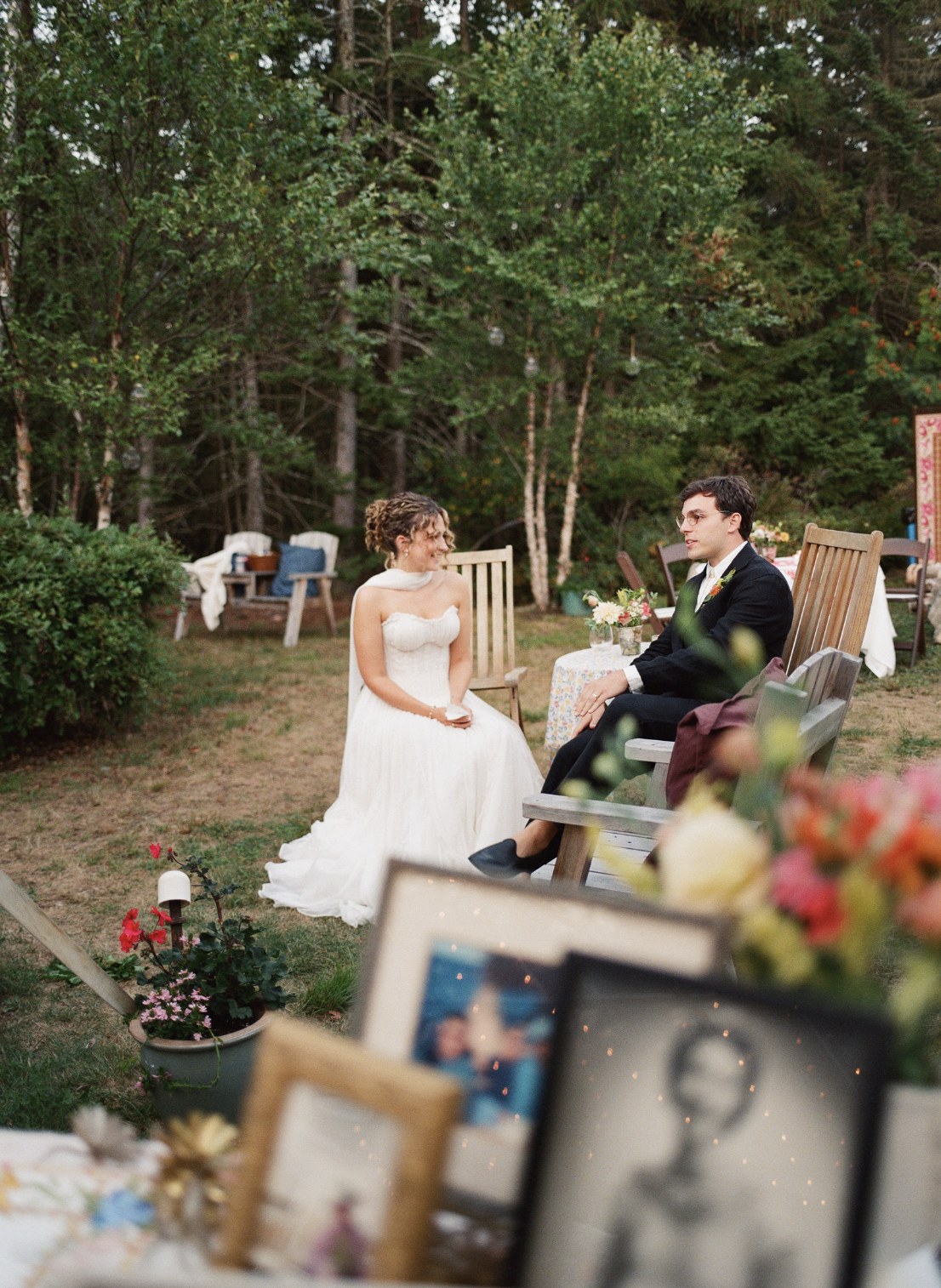
Think about spaces across your wedding location - are there quiet areas for people to play those games or just chat, maybe an area for personal mementos or photos guests can thumb through during downtime.
Matt and I never ended up doing this, but we had the idea for a get-to-know-you bingo (i.e., find someone who has never been to Maine before, etc.); it felt a bit too formal for us, but I still do love the idea of conversation cards at tables.
Leaving out Instax cameras can be a great way for guests to have something to do and connect with others (plus you get a pretty cool instant photo album at the end of your day).
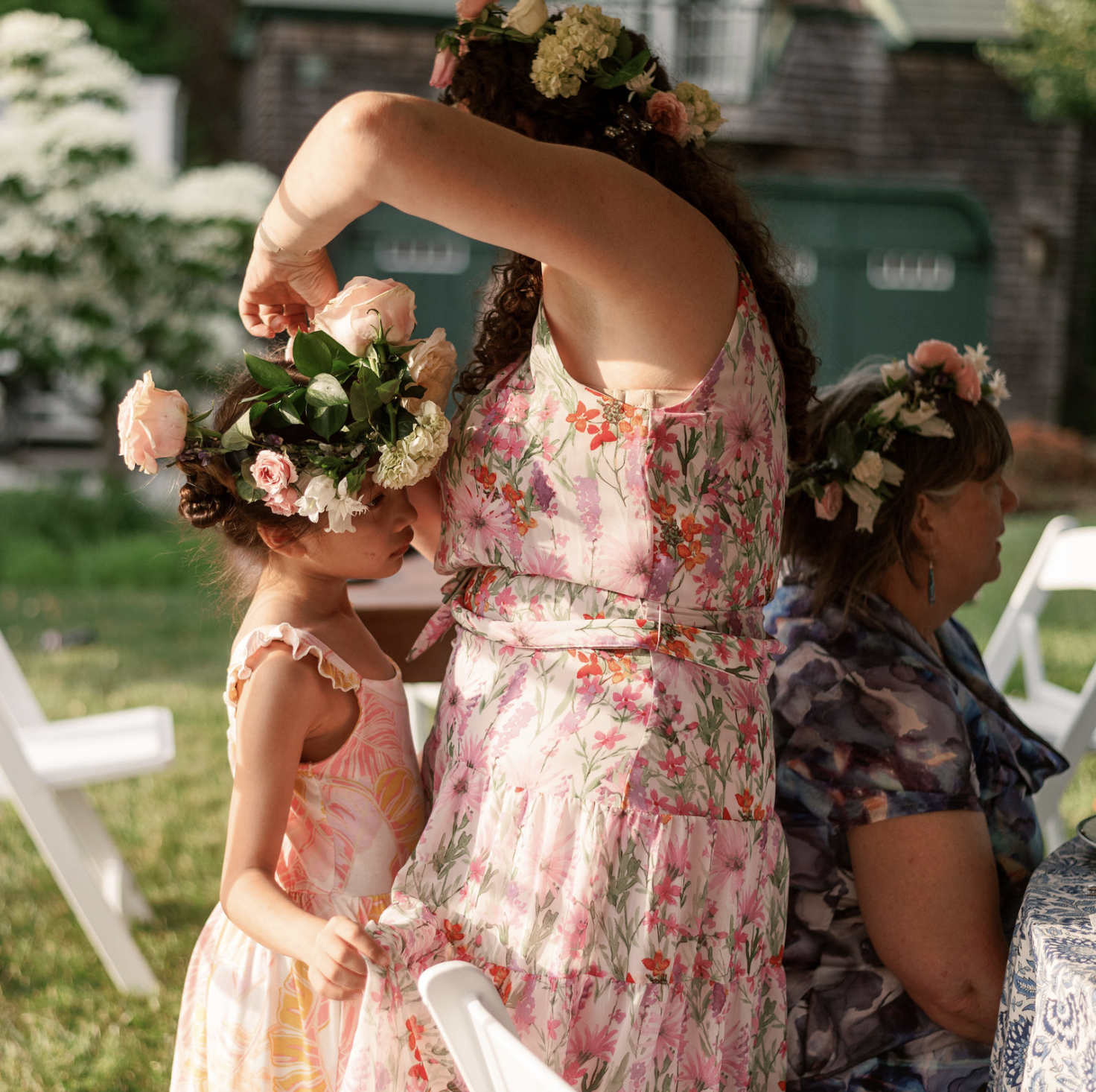
Other sweet activities and ideas I’ve witnessed over my time as a wedding photographer: late-night karaoke, a flower-crown making table, photo slideshows, vocal performances, swimming adventures, temporary tattoo station, lawn Jenga, and individual postcards addressed to each guest.
When you remove the pressure to perform, you create space for presence. And from a photography standpoint, thi ease allows time for those candid moments and genuine emotions that most of my couples want from their photo gallery.
Your photographs will be different too
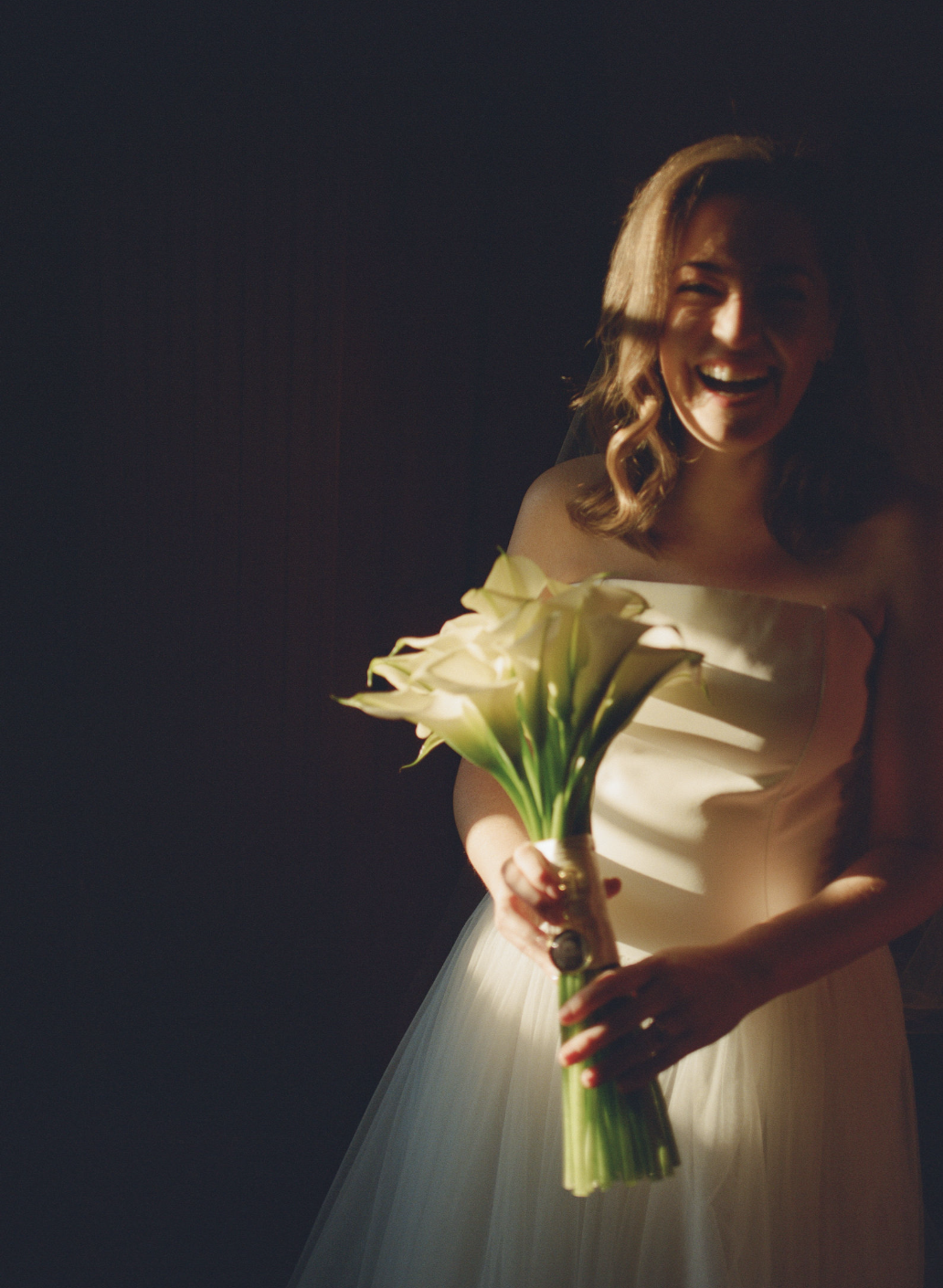
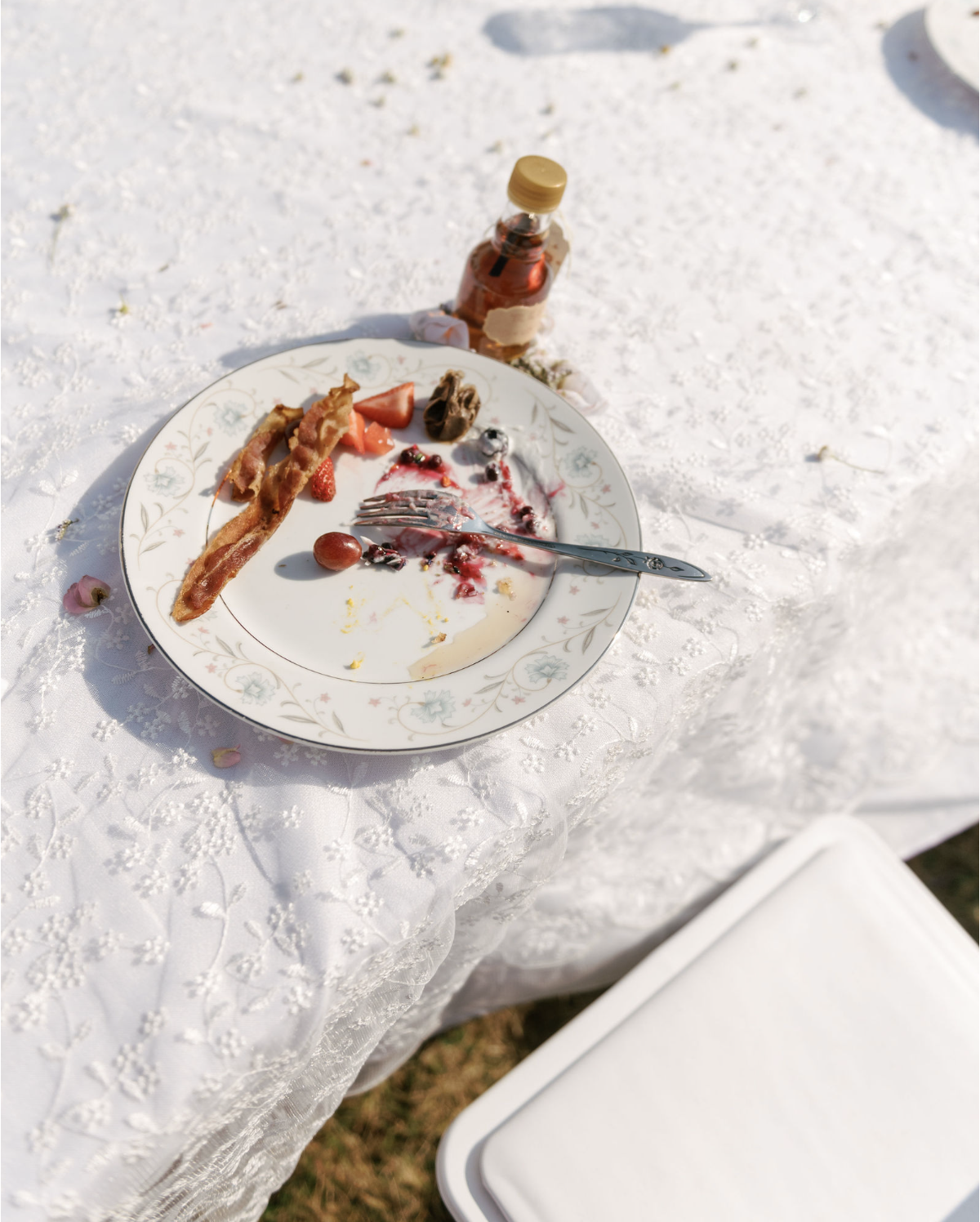
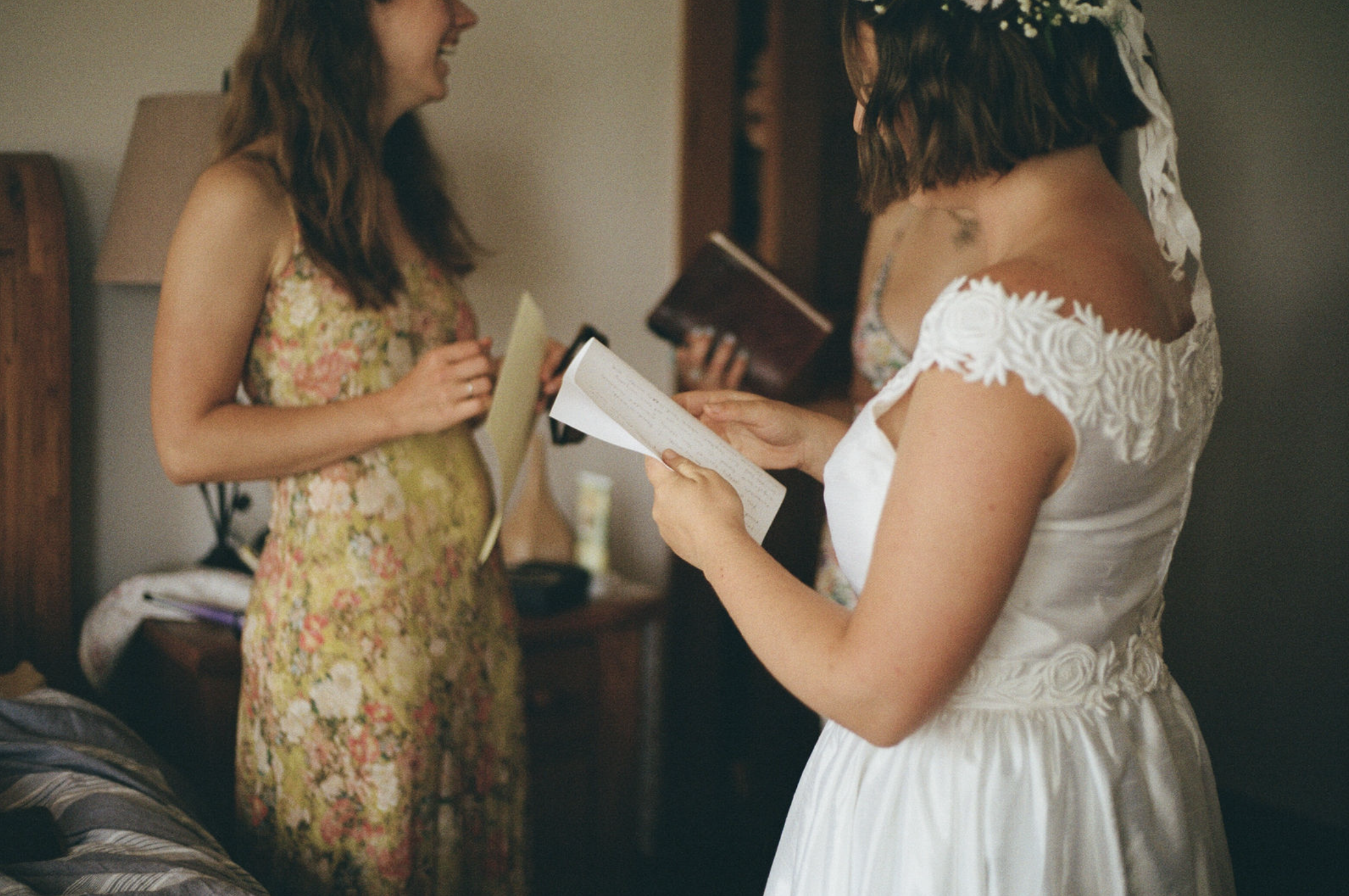
Non-traditional weddings shift how the day is documented. Think less production, more presence. While I will absolutely still suggest time for some laid back portraits (and group photos if you want them), the slow-paced ease of the day creates way more time for more unscripted in-between moments. Candids as many would call them.
If you are drawn to documentary photography, planning a wedding that creates ease is critical. The photographs you are looking for are likely not on a shot list or even a Pinterest board. They’re inspired by the real wedding you planned. Ease, along with trust in your photographer is what creates honest, artful, tender photographs of your wedding.
Advice for planning an alternative wedding
I asked past clients, fellow wedding photographers, and friends for their advice to couples in the midst of planning a wedding and here’s what they had to say:
Prioritize what feels true to you and your partner.
Do what feels good!
Get creative with the marriage ceremony (“we had two officiants - my friend who is a writer and her husband who was legally allowed to sign our marriage certificate”).
Remember what your love means and incorporate that into your wedding.
Be as upfront as possible with guests to ensure they don’t have any mismatched expectations or assumptions about the wedding.
Plan a wedding that aligns with your values (e.g., thrifting items, donating flowers after, etc.)
Prioritize what you love and f*ck the rest!
If you are planning a wedding that feels true to you and looking for a photographer that honors your vision, I’d love to chat! Reach out here to start the conversation :)